orglayer

The Humans

The software works. Then it meets a Monday morning.

A tool gets installed and a pilot gets a good review. A quarter later, people are doing the work the old way. The gap between the technology and the people who use it is the gap this team exists to close.

Each person below has worked on one side of that gap. Several have worked on both.

The story

It started with a robot nobody built.

Dr. P has spent his life on both sides of the gap: with the people who build technology and the people who have to live with it.

Argentina

The room where his father worked

Pablo grew up around his father’s company, a network engineering and technology firm. The personal computers of the mid-1980s were part of daily life: green characters on a dark screen, and games. What he wanted was specific. He wanted his father to build a robot with him so that he could program it.

Those are the words he has now for a wish he first had in Spanish. The wish stayed with him.

School

Code, then the first website

In high school he studied programming languages, and his senior project was the first website for the baseball team. At university he studied computer science and artificial intelligence, and he built a cat-and-mouse game in which several characters each had their own intelligence.

Two careers

Nonprofit leadership and a web firm, side by side

He began a career in the nonprofit world and, in parallel, founded StepStone Designs, a web design and development firm he led part time for about a decade. It delivered more than 100 websites and a content-management framework of its own, built with PHP, SQL, Flash, C# and C++, with Adobe tools for the design. Clients ranged from private medical and dental practices to nonprofits and personal brands, and he handled each project from the first conversation to launch.

When he put the firm to rest, he sensed that something was missing. His nonprofit leadership work, then his master’s and doctoral studies, took that space.

The people work

Leading organizations, then researching them

In Denver he led a youth organization’s regional operation of 25 staff, 100 board members and 400 volunteers, serving 4,000 young people, while holding a global role in cross-cultural leadership. He earned his doctorate in organizational change and leadership at USC Rossier. His consulting and training, which began in 2010, grew into Thriving Culture, the practice where he built the methodology OrgLayer now carries into software.

He stayed a technologist at heart. Anything in the house that could be automated got automated, with his family’s patience.

2021 and 2022

Back to artificial intelligence

In 2021 he went back into artificial intelligence and became a heavy user. By 2022 he was working with the frontier models every day, before AI was a household word.

Now

The robots, as it turned out

Today he builds robots, though they look different from the one he pictured as a boy. These read, write and coordinate work, and they help only when people trust them and use them. He says he has never found more joy in his work.

Why OrgLayer is a new company

Thriving Culture is still close to everything Dr. P does, and its methodology is the foundation here. OrgLayer is a separate company because implementing AI needs its own team, its own process and its own vision: engineers, designers, governance and people specialists on one team from the first week.
The method

Technology and people, designed as one system.

Dr. P’s methodology starts before any tool is chosen. It asks what conditions produce the problem, what has to change for people to work differently, and only then what to build. AI amplifies whatever operating logic it is connected to, so the logic comes first.

Diagnose

Readiness and diagnostic work looks at leadership behavior, structure, process and individual habits together, because a problem rarely lives at one level.

Build

Engineering, design and governance turn the diagnosis into an organizational brain and connected workflows that your team can run and an auditor can read.

Practice

People and culture work carries the change into the week: training, plain communication and checkups on whether the new way is holding.

The working rule

Diagnosis comes before strategy. Strategy comes before technology. Technology has to land in behavior.

The people

Experience on both sides of the gap.

Five people, each with a long record in their own field. Together they cover diagnosis, engineering, design, people and governance.

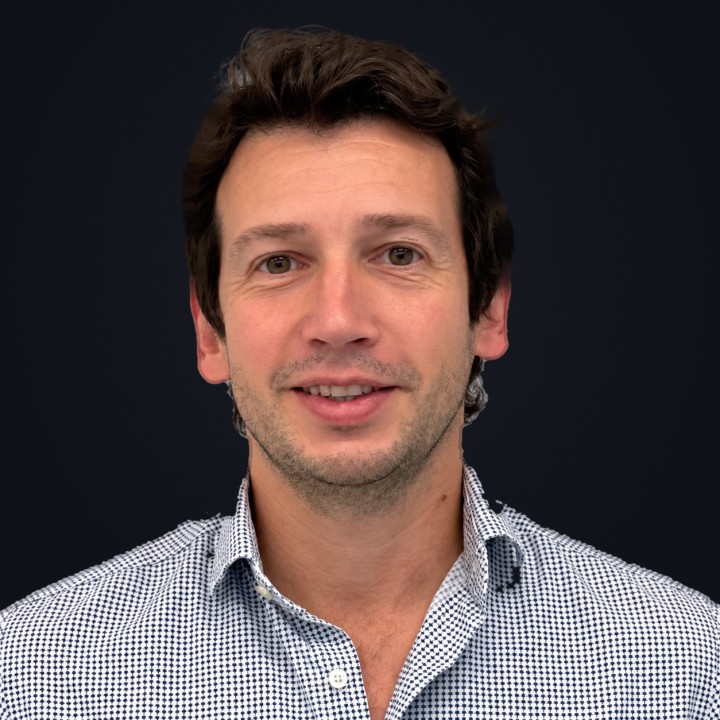
Portrait of Dr. Pablo Otaola

Dr. Pablo Otaola

Founder

Reads how organizations actually work, then designs the way out. He has run organizations and built software, and his doctoral research examined why people stay or leave.

Ed.D., Organizational Change and Leadership, USC Rossier

  • In and with nonprofit organizations since 2003; consulting and training since 2010
  • Led the Denver operation of an international youth organization: 25 staff, 100 board members, 400 volunteers and 4,000 young people
  • Held a global cross-cultural leadership role in an organization of 5,500 staff and 3,000 board members serving about a million young people
  • Selected through public procurement by the City of Loveland, Colorado for leadership coaching and assessment
  • Founded and led StepStone Designs, which delivered more than 100 websites over about a decade
  • Native-level English and Spanish
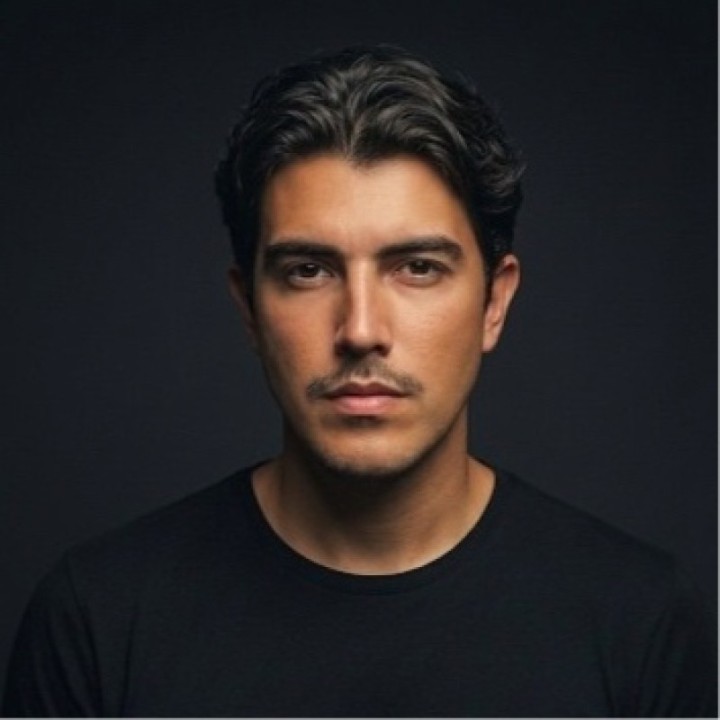
Portrait of Mauricio Vidaurrázaga

Mauricio Vidaurrázaga

Risk and governance

Builds the controls and evidence that keep AI work audit-ready. He brings an executive’s view of technology together with the database and coding knowledge to test it.

Global Executive MBA, IE Business School Executive Education. Certified Information Systems Auditor (CISA), ISACA

  • Twenty years in technology risk
  • Has led a department at executive level
  • Sets the rules for who may use which knowledge, and the records that show it
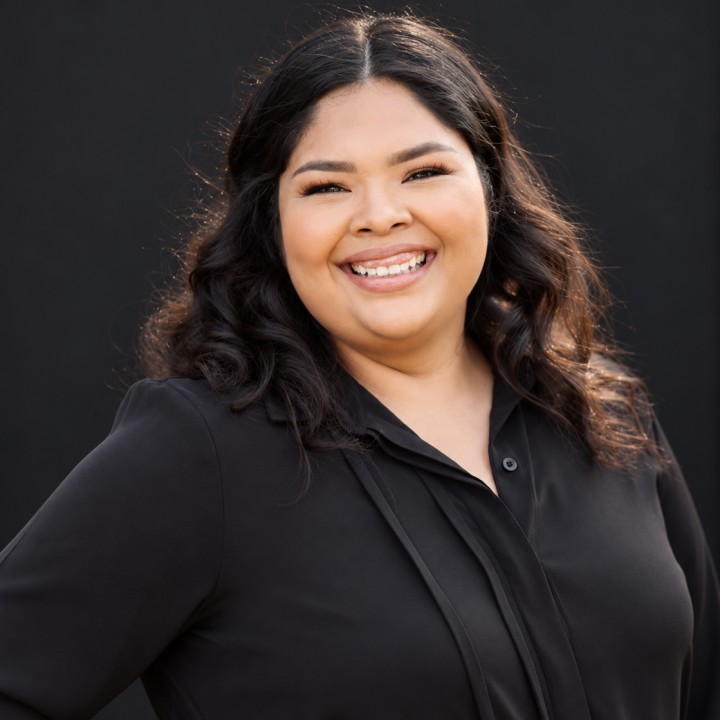
Portrait of Daniela Ramirez

Daniela Ramirez

People and culture

Moves change from plan to practice. Dani leads workforce research and client onboarding, and she connects how people experience their work with the policies and communication that shape it.

B.A., English Literature, Loyola Marymount University. Certified Organizational Change practitioner, National Organizational Leadership Center

  • Leads workforce and culture engagements from planning through recommendations
  • Runs stakeholder interviews, focus groups, workforce assessments and policy reviews
  • Designs change communication around audience, message and sequence
  • In AI work: workforce readiness, adoption tracking and employee guidance
  • Earlier work in client experience and community expansion
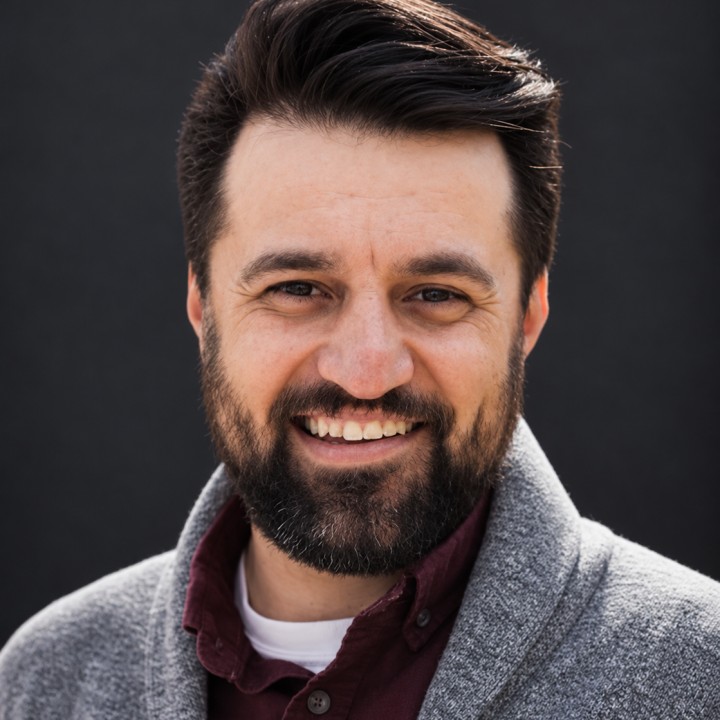
Portrait of Fernando Valdez Jr.

Fernando Valdez Jr.

Engineering partner

Builds the agents and keeps them reliable. Fernando is the engineer behind OrgLayer’s collaborators, and he answers for what keeps running once the demo is over.

Agentic systems and distributed backends

  • Designs and builds the agentic systems behind OrgLayer’s collaborators
  • Works on distributed backends and production reliability
  • Works from the diagnosis to the build alongside Dr. P, so requirements arrive with their organizational context
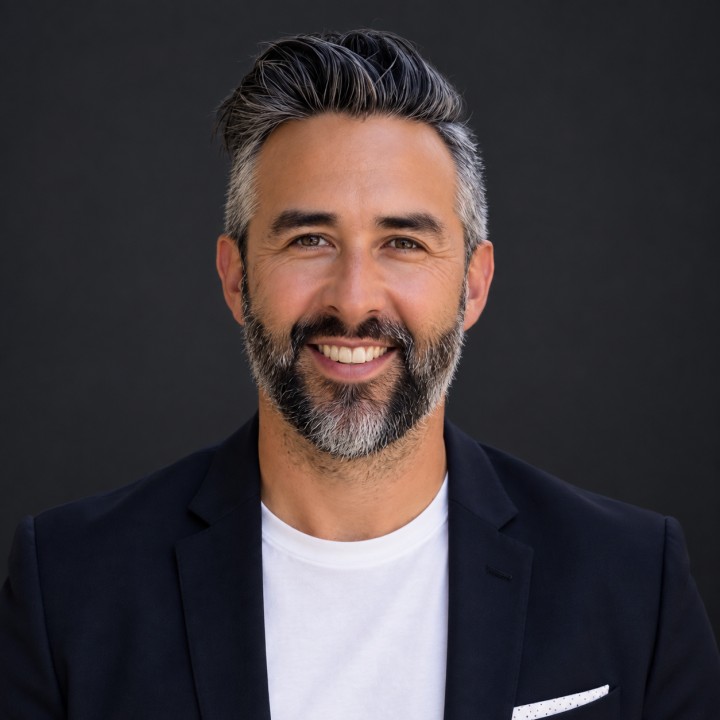
Portrait of Felipe Contreras

Felipe Contreras

Creative strategy

Shapes what people see and touch. Felipe has about twenty years in design, branding and marketing, and he designs the human side of AI tools: how they look, how people move through them and why people trust them.

Owner, Epik Filmz, since 2010

  • Leads UI/UX and product experience across the OrgLayer platform
  • Photography, videography and branded storytelling
  • Creative and visual design partner to Thriving Culture for years
  • Nearly two decades of nonprofit and community leadership
  • Bilingual in English and Spanish

Contact

Tell us the work you want to improve.

Describe a recurring headache or important priority. We will discuss your setup and recommend a scope if there is a useful fit.

Please avoid including confidential staff, client, or participant information in this initial inquiry.